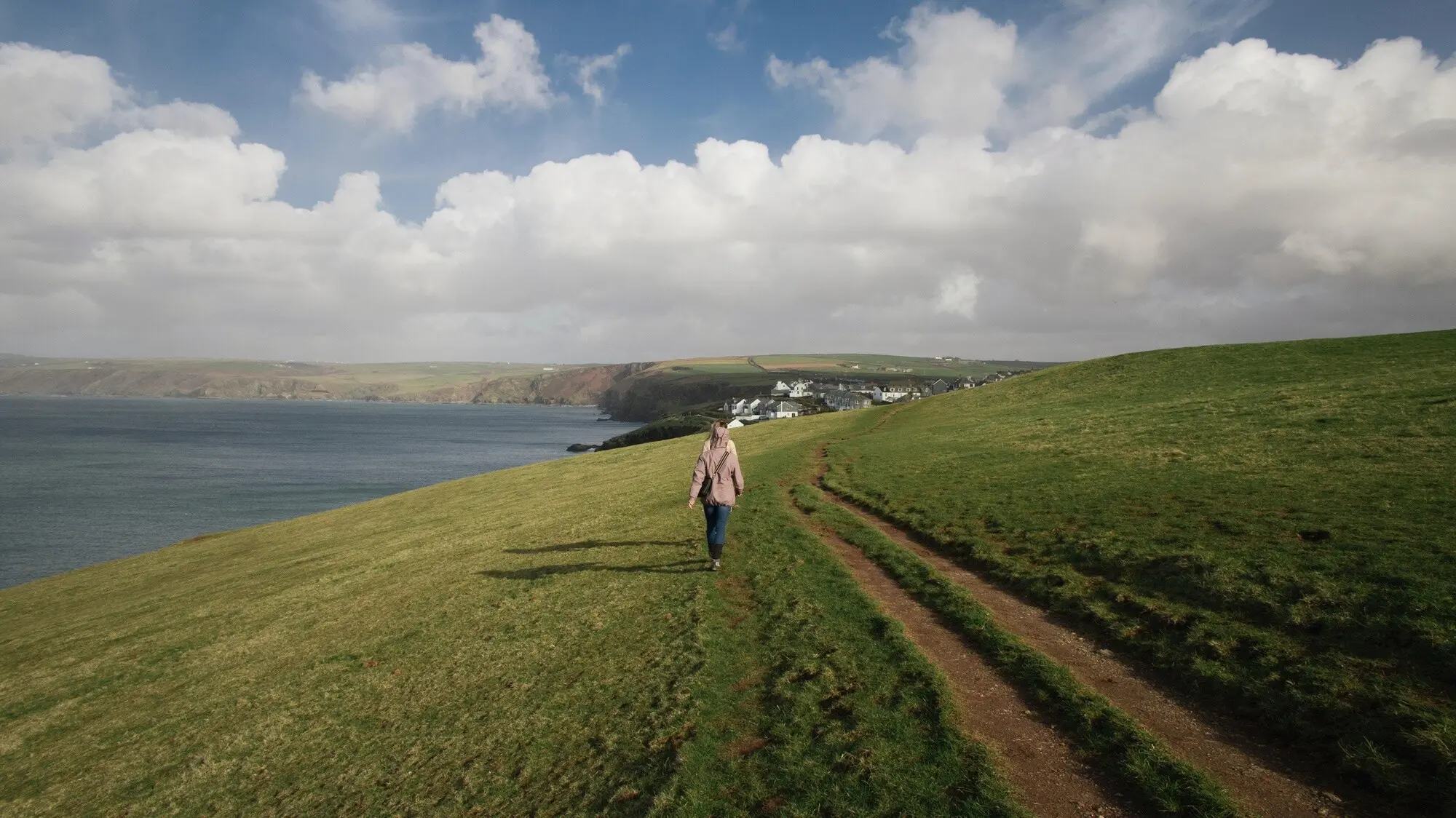
Arrive by Rail, Step Into Adventure

Starting at a railway station means no car keys to misplace, no parking clocks to watch, and no congested lanes to escape. Instead, platforms become gateways to waymarked paths, village greens, and inns with low beams and bright hearths. The rhythm is effortless: train, footbridge, fingerpost, first pint. We’ve met cheerful conductors in Peak District drizzle and chatted with porters who pointed us toward the quickest path into wildflower meadows before the day’s last bell of swifts.

Why Stations Make Perfect Trailheads

Railway stations concentrate everything a walker needs at the threshold: clear signage, refreshment, shelter, and a dependable return route. From Edale’s modest platforms to Goring & Streatley’s tidy forecourt, you can check the sky, shoulder a daypack, and be among stone walls or riverside willows within minutes. The psychology matters too—arriving by train reduces friction, lowers carbon footprints, and gives each step a feeling of gentle continuity between towns, fields, and friendly bar counters.

Packing Smart for Station‑to‑Inn Journeys

Think compact, layered, and ready for quick changes on a blustery platform. A light daypack with waterproofs, a warm mid‑layer, spare socks, headlamp, and reusable bottle covers daily needs, while luggage transfer to your next inn frees shoulders for curiosity. Slip boot bags for train etiquette, keep maps or a charged phone handy, and store snacks accessible for immediate energy once the footpath leaves the last cottage and bees begin to hum beyond the stile.

Timetables, Tickets, and the Last Train Home

Check off‑peak times, reserve where useful, and screenshot return services before signal fades in deep dales. Real‑time updates help when weather nudges plans, while flexible tickets can de‑stress detours through villages with irresistible bakeries. Note the day’s last train and a sensible arrival window at your inn, then relax; there’s reassurance in knowing rails connect tomorrow’s start, even if tonight’s conversation by the fire stretches past sunset and the bar’s antique clock smiles slowly.

Edale to Hope to Hathersage, Peak District

Step off the Hope Valley Line at Edale and climb toward sweeping moors, where peat darkens springs and curlews draw cursive across the wind. Overnight near Hope, then follow riverside meadows and quiet lanes to Hathersage, rich with literary echoes and sturdy stone. Inns along the way greet damp jackets without judgment and celebrate boot prints like signatures. Trains at both ends simplify pacing, so you savor edges and valleys rather than timetables and traffic stresses.

Goring & Streatley to Pangbourne to Henley‑on‑Thames

Alight beside the Thames and follow towpaths shaded by willows, passing locks that chime with gentle industry. Pause for cake in Pangbourne, then continue through songbird hedges toward Henley’s elegant bridges and convivial evenings. There’s joy in watching river light change, buttercups nod, and scullers ripple time itself. Overnight riverside, collect stories from barstools, and drift to bed with the comfortable fatigue that only a flat, fragrant river path and good conversation can inspire.

Settle to Ribblehead to Dent, Yorkshire Dales

Begin on the storied Settle–Carlisle line, where limestone pavements meet cloud‑cut viaducts and sheep graze like punctuation across green paragraphs. Trace moorland tracks to Ribblehead’s grand arches, then cross towards Dent’s cobbles and dark‑beamed refuge. Expect skylarks, stone barns, and wind that tastes of distance. With stations bracketing your days, you can linger by a waymarker, learn a local legend, or add a detour toward waterfalls, knowing the rails keep your circle gracefully complete.

Classic Routes to Lace Up For

England’s rails link directly with landscapes that reward steady feet and friendly appetites. Some lines skim riverbanks where herons lift like careful origami; others carve beneath gritstone edges or pass viaducts that hum with history. What matters most is rhythm: platform to path, field to inn, laughter to linen. These three suggestions balance scenery, station access, and overnight hospitality, giving you confidence that a hot supper and kind words wait beyond each waymarker’s quiet instruction.

Reading Forecasts and Reading the Land
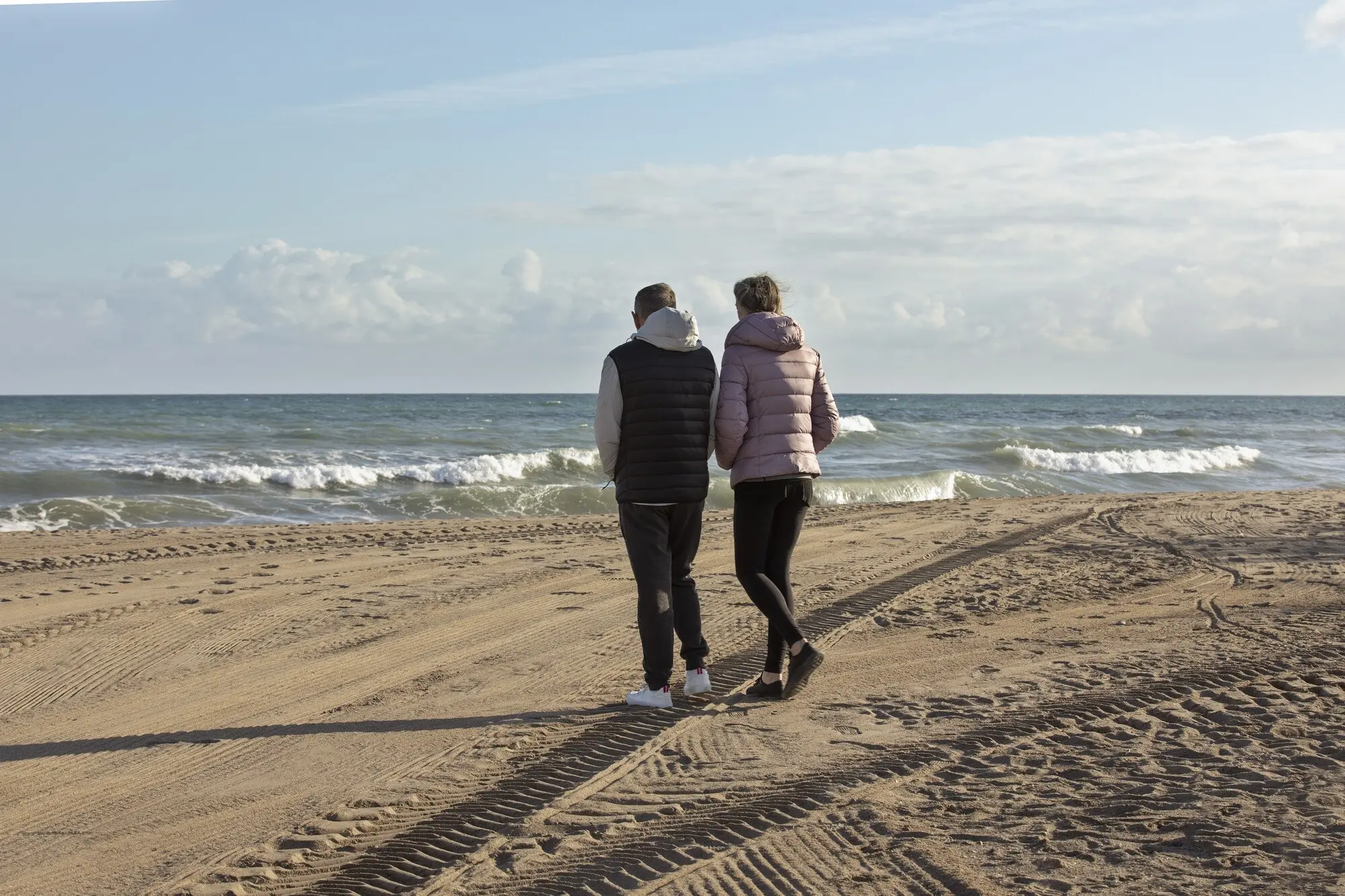
Meticulous forecasts help, but so do old cues: cloud backs building over ridges, cattle turning tails to weather, or a sudden hush in hedgerow chatter. Carry a lightweight waterproof even on bright mornings, protect maps, and pace by daylight rather than ambition. If wind crests beyond comfort on exposed edges, shift to valley paths and country lanes. Sensible decisions invite unexpected delights—like a farm stall’s honesty box—while keeping you steady for tomorrow’s promising miles.

Footpaths, Bridleways, and Confident Navigation
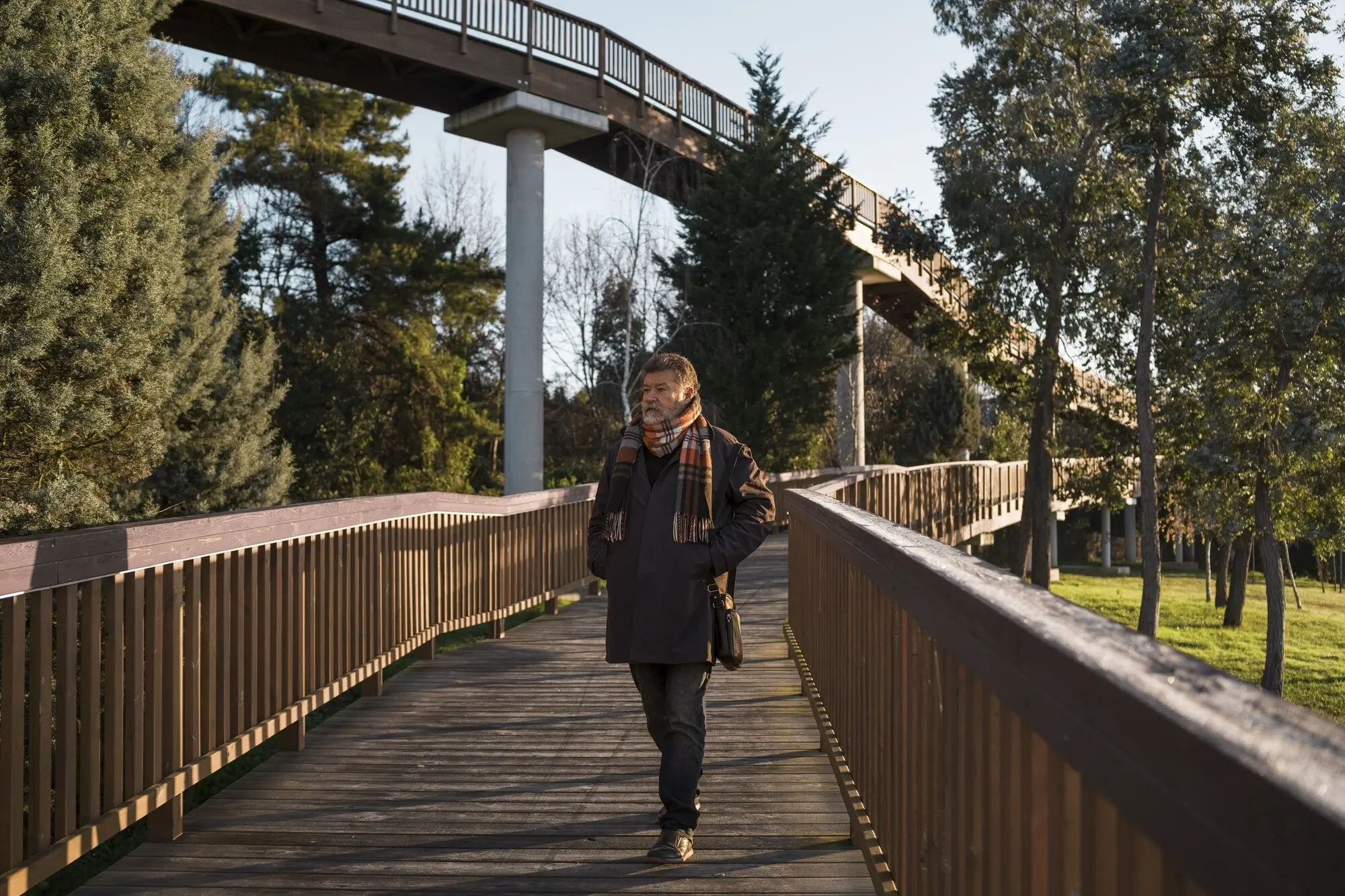
England’s rights of way network is generous, yet it rewards attention. Learn the green diamonds and blue bridleway ticks, distinguish permissive paths from definitive lines, and keep gates as you find them. In mist, trust compass bearings over intuition and confirm at stiles and fingerposts. A laminated map card in your pocket—backup to a charged phone—can steady nerves when rain softens horizons. Confidence grows step by step, imprinting landmarks like kissing gates, barns, and clumps of ash.

Safety Nets: Check‑Ins, Cutoffs, and Innkeepers’ Wisdom

Tell someone at breakfast your intended route and latest arrival; staff often know short, beautiful detours or farm tracks that dodge boggy surprises. Establish a personal cutoff for turning back before twilight, and carry a tiny emergency kit—foil blanket, whistle, plaster, and optimism. Innkeepers are seasoned guides to local quirks, from notoriously slippery flagstones to a ford that runs high after showers. Their counsel pairs perfectly with a pint, anchoring judgement to lived, local knowledge.

Rails That Reshaped Rambles

When the first trains swept into country towns, they collapsed distances that once demanded days. Today those same lines grant walkers elegant beginnings, letting you taste breakfast at home and heather after coffee. Wayside stations, signal boxes, and viaducts impose a gentle narrative rhythm on the journey, turning each arrival into a small ceremony. Listen for echoes in cuttings, where wildflowers now colonize embankments, and consider how a platform clock quietly knits past and present every hour.

Coaching Inns Renewed for Tired Feet

Oak beams, warming fires, and chalkboards promising pies tell a long story of shelter. Many inns once served mail coaches and market folk; today they welcome booted guests with the same uncomplicated grace. Rooms gather the soft aromas of soap, tea, and polish, while bars tangle local voices with distant accents. This continuity comforts the traveler: your map may be digital, yet ritual remains—hang damp layers, order something nourishing, and toast the miles that knit one day to the next.

Churchyards, Mills, and Whispered Lore

A stile may lead between yews toward centuries of memory—lichened gravestones, bells that measure wind changes, and footpaths threading back to Saxon doorways. Waterwheels idle where cloth once thumped, and milestones mutter distances in lost currency. Ask at the bar about a ghostly lane or a hill’s peculiar name; stories surface like trout after rain. Carry them onward, companions alongside your steps, and let them color tomorrow’s fields with the delicate tint of living history.

Morning Plates That Power the First Miles

Porridge with honey, eggs that radiate yolk‑sun, toast that snaps with farmhouse butter—these are trail assurances. Add grilled tomatoes, mushrooms, or a sly slice of black pudding, and your map lines feel friendlier. Tea steadies thoughts; coffee sharpens edges. Slip a banana or flapjack into your pocket with the inn’s blessing. There is a quiet joy in thanking the cook, stepping outside, tasting cool air, and discovering breakfast warmth still lingering as the first ascent begins.

Pub Classics with Countryside Twists

A bowl of seasonal soup beside a steaming boot rack can reset the whole mood of a damp afternoon. Pies arrive with flaky declarations, gravies trace ancestral comfort, and local cheeses address the day’s efforts with firm, friendly character. Many menus celebrate nearby farms and rivers, making every bite part of the landscape’s story. Ask about the brewery down the lane or the orchard over the stile; eat slowly, letting conversation lift like swifts at dusk.

Evening Rituals: Stretch, Savor, and Set Tomorrow’s Line

After boots unlaced and socks steaming gently by a radiator, a small sequence works wonders: calf stretches against a doorframe, a few hip circles, two glasses of water, and mindful breaths. Then savor something sweet, perhaps crumble under custard, while noting tomorrow’s decision points and rain alternatives. Share a highlight with the bar staff; trade tips with another walker. Recovery becomes communal and practical, ensuring you fall asleep grateful, prepared, and already half in love with the dawn.

Food, Ale, and the Art of Recovery

A good day’s walk tastes better than any condiment. Breakfasts fortify climbs; quick lunches on stone walls turn simple cheese into something approaching ceremony; dinners restore everything the wind tried to take. Cellars hide patient ales; kitchens conjure stews that forgive every misstep. Recovery is not just calories and sleep—it’s the laughter that loosens calves, the journal line that clarifies a memory, and the small clink of glass that honors the valley you crossed by steady increments.

Planning Tools, Etiquette, and a Friendly Community

Smart planning keeps spontaneity joyful. Book popular inns early in peak blooms and festivals; in shoulder seasons, call ahead on arrival day and savor flexible options. Pack light, confirm luggage transfer windows if you prefer daypacks, and screenshot key contacts. Mind gates, dogs around livestock, and muddy boots on carpets. Then connect: share a favorite station start, subscribe for new route ideas, or ask questions—fellow walkers are generous, and every message helps refine paths for the next adventure.

01

Booking Like a Pro, From Shoulder‑Season Gems to Busy Weekends

Map nights to stations first, then choose inns within cheerful strolling range for dusk arrivals. Triangulate weather, daylight, and opening hours, and keep a backup inn two villages ahead. In leaf‑peeping or lambing buzz, reserve early; in quieter months, a same‑day call can yield fireside charm. Note breakfast times against train departures, and request packed lunches when trails lack shops. This choreography protects serendipity, ensuring your best story is about skylarks, not scrambled logistics.

02

Kindness on the Path: Etiquette That Travels Well

Close gates, give livestock generous space, and lift poles on stone walls. Step aside on narrow sections, especially where runners or horses approach, and keep dogs under confident control. Greet farmers; a friendly nod carries farther than you’d think. Brush mud from boots before stepping onto flagstone floors and ask where to store wet gear. These courtesies echo through communities, turning lone journeys into welcomed returns and preserving the footpath web we all share with gratitude.

03

Join the Conversation and Keep the Routes Alive

We’d love to hear your favorite station‑to‑inn pairing, that memorable dessert at a riverside pub, or the hidden stile that delivered the day’s finest view. Comment with questions, subscribe for fresh routes and seasonal checklists, and swap GPX files or book suggestions. Your stories help newcomers find confidence, highlight access improvements, and keep village businesses thriving. Together we make rail‑to‑trail travel richer, step by thoughtful step, stitched by kindness, curiosity, and the promise of a friendly welcome.

Faripexidexotelinovi
Privacy Overview

This website uses cookies so that we can provide you with the best user experience possible. Cookie information is stored in your browser and performs functions such as recognising you when you return to our website and helping our team to understand which sections of the website you find most interesting and useful.